
Fort William weather and the best time to visit
Fort William weather is part of choosing between town visits, valley walks and a Ben Nevis ascent. May to September is the tourist recommendation for visiting Fort William, while visits are possible throughout the year. Use that broad window to choose the kind of trip you want, then work out the individual activities. A month suitable for sightseeing does not settle the conditions on a mountain route.
The best time to visit Fort William depends on your purpose. A visit focused on the museum and town sights gives different choices from a day on the Mountain Track. Leave room to change the order of outdoor plans when the forecast changes. For each walking day, consider the ground as well as the sky, especially when snow remains at altitude.
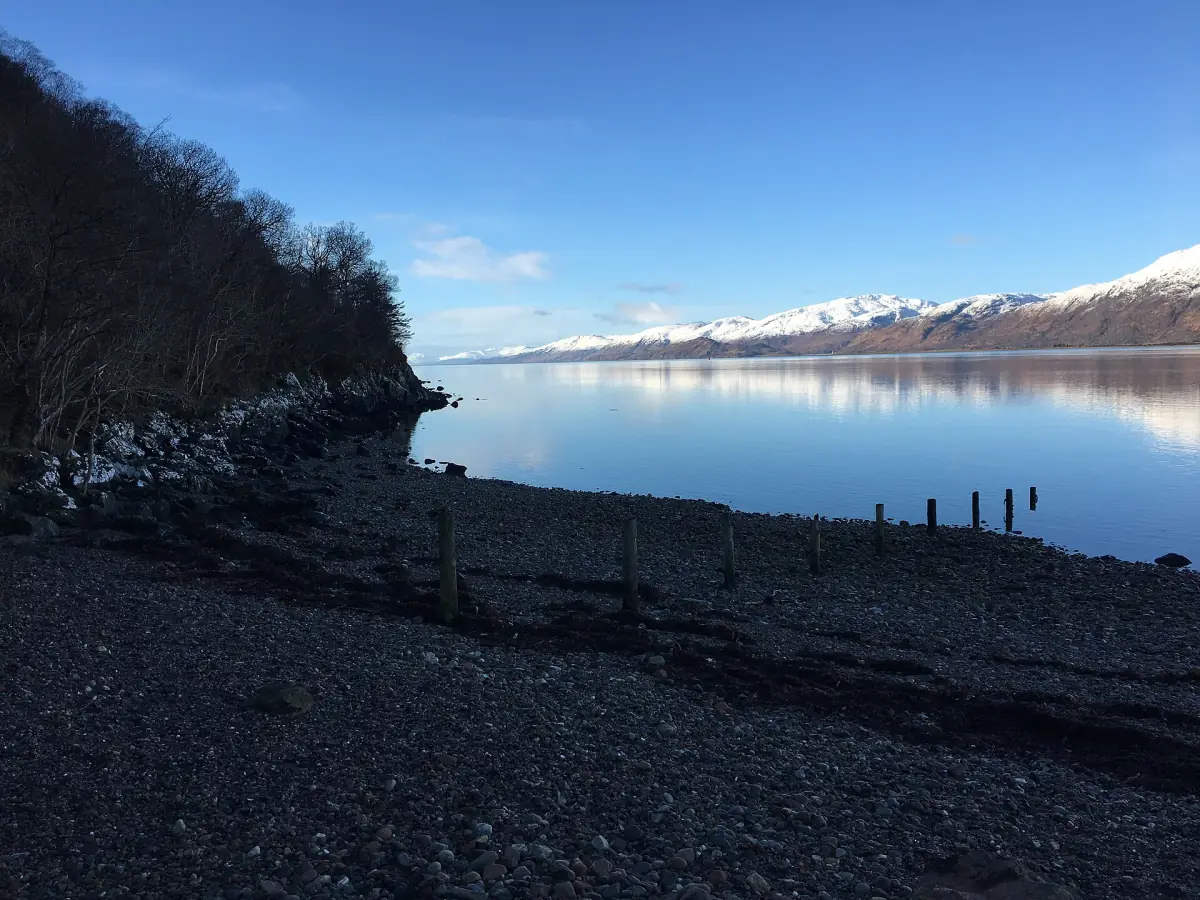
Temperature and rain: Tulloch Bridge climate averages
Tulloch Bridge provides regional comparison figures for temperature and rainfall, with Met Office averages for 1991 to 2020 shown in the table. Maximum and minimum mean the average daily maximum and minimum; rainfall is the average monthly total. These are station climate normals, not measurements for Fort William town centre or the Ben Nevis summit, and not a forecast for a particular travel date.
June has the lowest mean monthly rainfall total in this station table, January the highest, and July the highest mean daily maximum. Read those patterns as background for seasonal planning. A lower monthly rainfall figure does not specify which days will be dry, so keep a weatherproof layer accessible and make decisions about exposed walking from the relevant forecast.
| Month | Mean daily max °C | Mean daily min °C | Mean monthly rain mm |
|---|---|---|---|
| January | 5.66 | −0.09 | 250.03 |
| February | 5.95 | −0.16 | 186.56 |
| March | 7.64 | 0.87 | 153.95 |
| April | 10.63 | 2.44 | 103.31 |
| May | 14.03 | 4.64 | 95.33 |
| June | 16.01 | 7.66 | 88.05 |
| July | 17.45 | 9.54 | 94.15 |
| August | 17.04 | 9.25 | 108.29 |
| September | 14.93 | 7.46 | 129.67 |
| October | 11.23 | 4.77 | 191.21 |
| November | 8.02 | 2.15 | 203.43 |
| December | 5.88 | −0.47 | 222.82 |
Our pick: seasonal mountain hike
Our take: This guided Ben Nevis hike has departures on Wednesdays and Sundays from May to September.
Hand-picked tours, booked through Viator. Prices are indicative starting prices in euros (as of November 2026). Tap a tour for live availability and the current price in your currency.
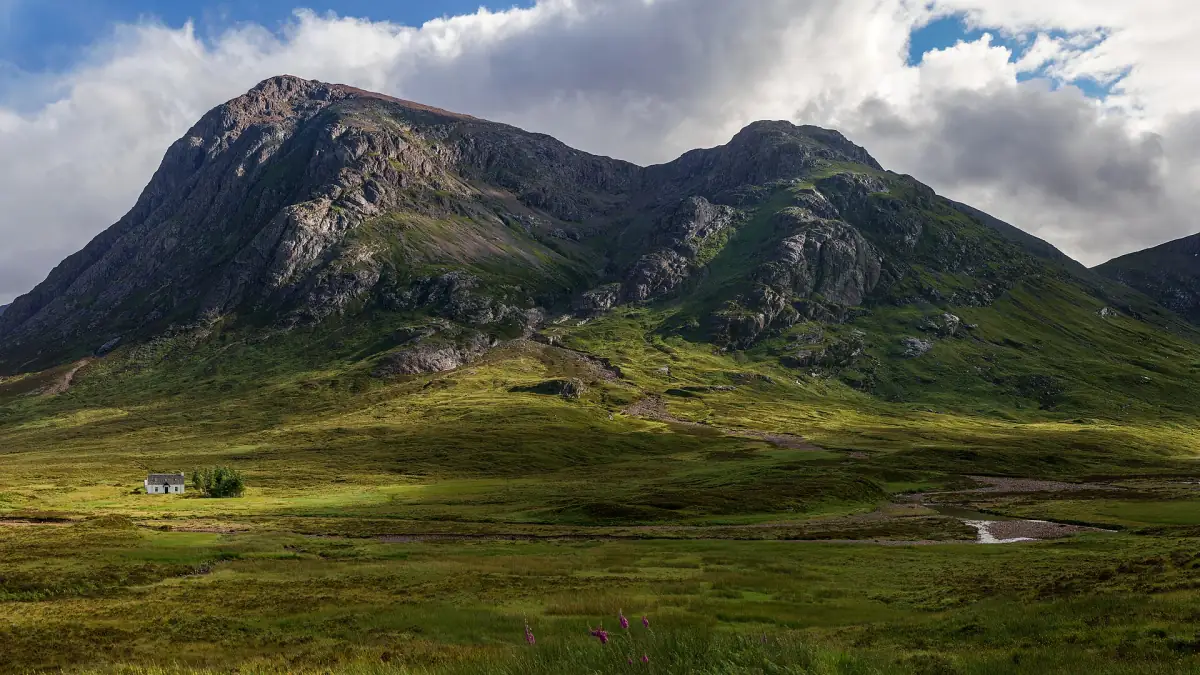
A seasonal guided Ben Nevis walk
A group walk from the Ben Nevis Visitor Centre with an experienced mountain leader, scheduled on Wednesdays and Sundays from May through September.
Choose the season around the activity
The guided Ben Nevis group walk is scheduled on Wednesdays and Sundays from May through September, starting at the Ben Nevis Visitor Centre. Its advertised duration is seven to nine hours and the inclusion is an experienced mountain leader. Bring your own personal equipment, food and drink. Fit the full product duration into the day rather than treating the walk as a short addition to sightseeing.
The Steall Falls route also needs a conditions-based decision because its rocky gorge path becomes slippery when wet. Town history, a valley outing and a mountain summit are different plans. Keep the forecast relevant to the chosen destination and use the option to change activity when the ground or visibility makes the planned route unsuitable.
Midges in the West Highlands
Midges are typically active from May to October, with the highest activity in midsummer. Damp West Highland areas and still, overcast conditions, particularly early and late in the day, can make them more noticeable. Pack long clothing, repellent and, when useful, a head net as part of the walking kit rather than leaving preparation until you reach the trail.
Midge season overlaps the tourist visiting window, so choose dates for the whole experience you want rather than a promise of insect-free walking. Keep protective clothing within reach during pauses. The regional pattern helps you prepare, while the actual wind and conditions on a given day affect how comfortable it feels to stop outdoors.
Winter and mountain weather
Ben Nevis can retain snow and ice on its upper slopes into early summer. Winter equipment, including crampons and an ice axe, and the skills to use it may be needed. Use a mountain forecast for the appropriate region and consider the winter avalanche situation separately; a town forecast alone is an insufficient basis for choosing a summit day.
Walking equipment includes extra clothing layers, suitable footwear, navigation, first aid, food and water. Carry a topographic map and compass with the knowledge to use them, since mobile reception can be unreliable. Keep the return and a decision to turn back within the plan. A guided booking still leaves weather and ground conditions central to the day.
Seasonal services and dated maintenance
The Aonach Mòr gondola has an announced maintenance closure from 16 November 2026, with reopening planned for 14 December 2026. Daily operation is also weather-dependent. Through canal transits are suspended from 1 November 2026 at 16:00 until 24 March 2027 at 09:00; public visiting at Neptune’s Staircase is a separate matter from boat movements.
The steam-train operator’s published position as checked on 14 November 2026 already concerns 2027, with dates and fares still to be announced. Build a Glenfinnan visit around the distinction between viewpoints and a booked railway journey. Seasonal transport and attraction notices belong alongside the climate table when choosing travel dates, rather than being inferred from the temperature alone.
Frequently asked questions
Which months are recommended for visiting Fort William?
May to September is the tourist recommendation for Fort William, with visits also possible throughout the year. Choose within that window according to the activities you want. Mountain weather and snow conditions need their own assessment, and seasonal attraction schedules remain separate from the broad recommendation for visiting the town.
When are midges active around Fort William?
May to October is the typical midge period, with activity highest in midsummer. Still, overcast conditions in damp West Highland areas can be particularly noticeable early and late in the day. Long clothing, repellent and a head net can help with preparation; select dates for your planned activities as well as insect conditions.
What do the climate figures describe?
The table describes Tulloch Bridge station averages for 1991 to 2020: average daily maximum and minimum temperatures and average monthly rainfall totals. Tulloch Bridge is used as a regional comparison. The figures are neither town-centre nor summit observations, so use a current mountain forecast separately before setting out on an exposed route.